


SEATRAC Spotlight: Dr. Dickens Onyango
- What is your background?
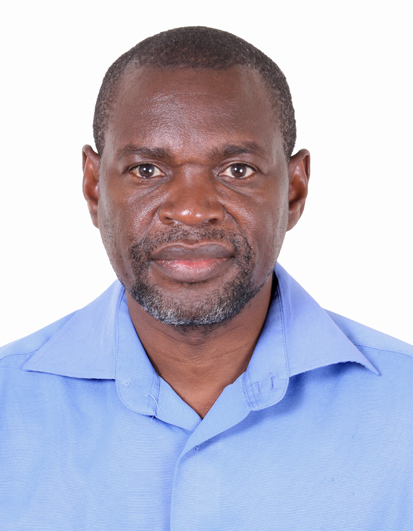
Dr. Dickens Onyango is a medical epidemiologist and public health researcher based in Kenya. He is a Visiting Research Scientist at Kenyatta National Hospital and a Senior Public Health Specialist at the Kisumu County Department of Health. He completed his PhD in Epidemiology at Utrecht University in the Netherlands and a Fogarty Global Health Fellowship through the University of Washington. He is currently in the second year of the NIH Emerging Global Leader Award (K43). His research focuses on tuberculosis, HIV, and health systems, with a particular interest in improving the initiation, adherence, and completion of TB preventive therapy, particularly among people living with HIV.

- What is the main takeaway for someone who has not yet read your paper?
Our study compared the uptake and completion of the newer three-month isoniazid–rifapentine (3HP) TB preventive therapy (TPT) regimen with the six-month daily isoniazid (6H) regimen using routine programmatic data. We found that TPT initiation was significantly higher following the introduction of 3HP compared with the preceding period when only 6H was available. However, completion rates were similar for the two regimens. People with advanced HIV disease were less likely to initiate or complete TPT. We also found that 6% died within 24 months of enrolling in HIV care. Mortality was substantially higher among people who did not complete TPT with the adjusted hazard of death 14 times higher among those who initiated but did not complete TPT and more than 22 times higher among those who were eligible but never initiated TPT.
The important lesson is that introducing a shorter regimen is not, by itself, enough to ensure that everyone completes treatment.
We need to pay particular attention to people who are at higher risk of not completing treatment, especially those with advanced HIV disease.
- What skills did you learn in the conduct of this work?
One of the most important things I learned was how much complexity there is in using routine program data to answer research questions. We had to work carefully with the treatment cascade, define initiation and completion consistently, and make sure that the data could support the comparisons we wanted to make. This work also strengthened my skills in analyzing longitudinal program data using different regression approaches for different outcomes. For example, we used Poisson regression to examine factors associated with non-initiation and non-completion, and Cox regression to examine mortality over follow-up. This work also provided preliminary data for my successful K43 application.
- If you had funding / interest, what would be the next logical step in the work?
I think the next step would be to focus on why people do not complete 3HP and what we can do about it, particularly among people with advanced HIV disease. Our findings tell us where the problem is, but they do not fully explain the reasons for non-completion. I would therefore be interested in developing and testing a targeted adherence-support intervention that identifies people at higher risk of non-completion early and provides additional support during treatment. This could include closer follow-up, differentiated counseling, and potentially the use of simple adherence biomarkers or digital tools to identify missed doses early.